Smashburger Rebuilds Brand Identity and Growth Potential
a { text-decoration: none; color: #464feb; } tr th, tr td { border: 1px solid #e6e6e6; } tr th { background-color: #f5f5f5; }
Brand Reset & Strategic Direction
At the start of 2025, Smashburger recognized a need to realign its brand and sharpen its positioning after several years of inconsistency. Leadership noted that the brand’s identity had become less defined over time, due in part to leadership turnover and a drift from its original foundation.
To address this, founder Tom Ryan returned to the business alongside new leadership, including Jim Sullivan, who stepped into the CEO role in 2025. The focus has been on reconnecting with the brand’s original purpose—delivering high-quality burgers—while updating how that story shows up in today’s market.
Refocusing on Core Strengths
From its inception, Smashburger was built around elevating the burger experience through better ingredients, preparation methods, and flavor. The current strategy reinforces that original vision, with an emphasis on taste, quality, and a simplified, more intentional menu.
This renewed focus also extends to brand identity. The company reintroduced a modernized logo rooted in its original color palette and has begun rolling out updated branding across digital channels, with in-restaurant updates in progress.
A new tagline—“Belief is in the Bite”—supports this positioning, emphasizing confidence in product quality and the overall guest experience.
Menu Innovation & Marketing Approach
Product innovation is a key part of the brand’s turnaround strategy. Smashburger has shifted to a more structured marketing calendar, organizing launches into seasonal or thematic product drops.
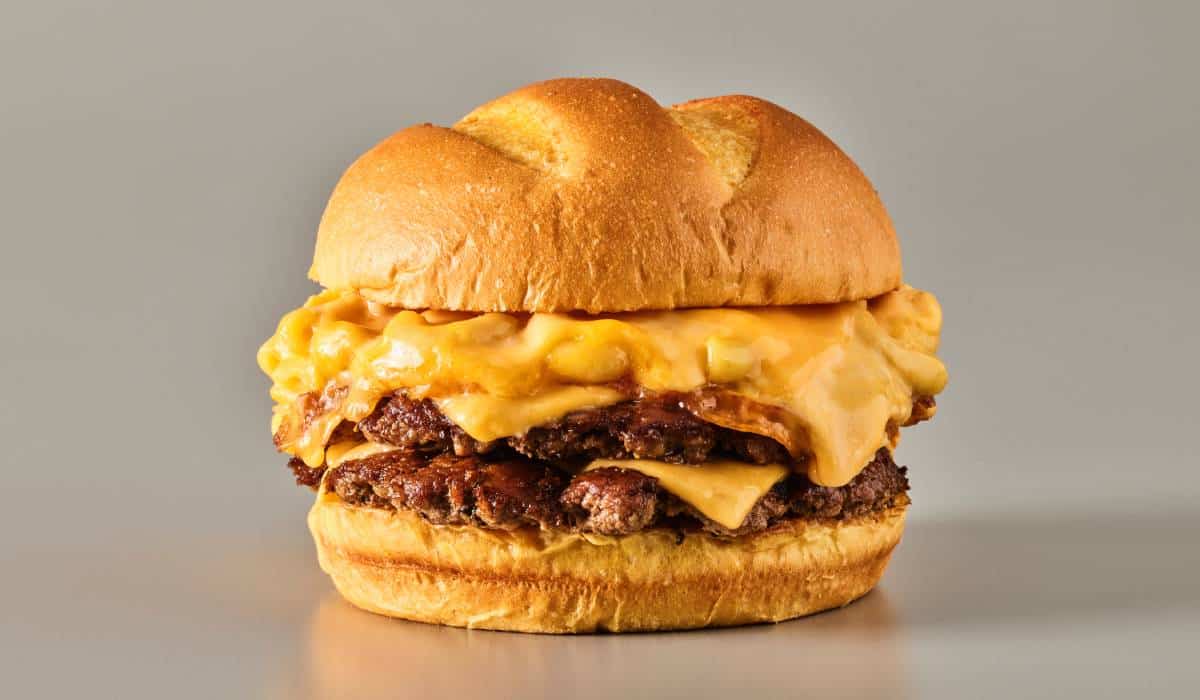
To kick off 2026, the brand introduced a “Scorchin’” platform, featuring a lineup of menu items with added heat and bold flavor profiles. This includes burgers, chicken items, sides, and mac and cheese variations, all designed to deliver a combination of indulgence and spice.
In addition to core menu updates, Smashburger has expanded into limited-time offerings tied to seasonal occasions, including seafood-based items introduced around Lent.
Performance & Guest Behavior
Early results from these changes indicate positive momentum. The brand has seen improvements in both traffic and average daily sales, suggesting stronger guest engagement.
Importantly, the introduction of a $4.99 value menu has not negatively impacted core menu performance. Instead, early insights suggest that guests are adding value items alongside core offerings, helping to maintain or increase overall check size.
Operational Focus & Guest Experience
Alongside menu and branding updates, Smashburger is placing a stronger emphasis on execution and hospitality. Plans are in place to retrain employees on service standards to ensure a consistent, high-quality in-restaurant experience.
While dine-in remains a priority, the company continues to support off-premise channels, including third-party delivery, which represents a meaningful and stable portion of overall sales. The goal is to maintain consistency across all guest touchpoints.
Growth Outlook
From a development perspective, Smashburger sees significant opportunity for expansion across North America. The brand is working with both existing and new franchise partners, with plans to open additional locations—including nontraditional venues like airports and military bases.
Longer term, leadership believes there is substantial room for unit growth without oversaturating the market, particularly through franchise expansion.
What It Means
Overall, Smashburger’s strategy reflects a full brand reset—returning to its core identity while modernizing how it shows up across menu, messaging, and operations. Early performance signals and guest response suggest the changes are helping rebuild momentum and reinforce its position in the better-burger category.
Source Mention
Originally featured in QSR Magazine:
“Smashburger found itself ‘a little lost’…”